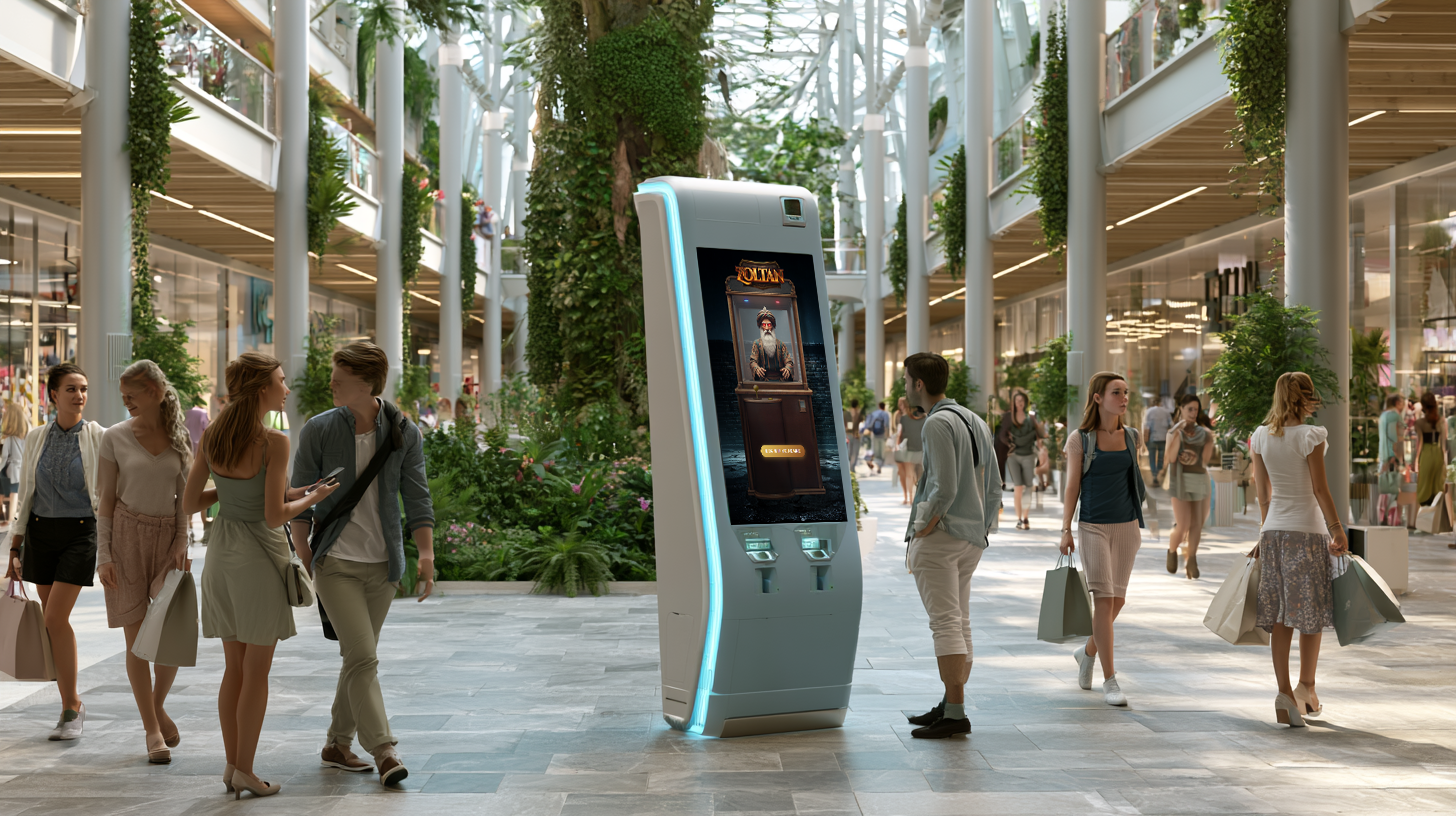
The retail landscape has changed dramatically over the past decade. Shopping malls and commercial districts that once thrived on anchor tenant traffic and organic foot traffic now face persistent headwinds — e-commerce competition, changing consumer habits, and the challenge of giving shoppers a reason to leave home and visit in person. The businesses that are succeeding in this environment share a common trait: they're finding ways to make the in-person shopping experience more valuable, more entertaining, and more rewarding than anything that can be replicated on a screen at home.
Promo on Demand campaigns offer mall operators, business improvement districts, and multi-store retail groups a powerful new tool: a shared promotional ecosystem where every participating merchant contributes prizes to a campaign that drives traffic to the entire district. When shoppers play and win prizes from multiple stores, they have a reason to visit all of them. When every merchant benefits from the shared campaign, the cost of running it is distributed. And when the experience is interactive, exciting, and gamified, it creates the kind of visit that simply doesn't happen online.
The coalition advantage: A single retailer offering a discount is background noise. A coalition of twenty retailers offering a combined game-based experience is an event. The shared campaign creates a destination — a reason to spend an afternoon at the mall — that no individual store could generate on its own.
The Mall Traffic Challenge
Shopping mall visits in the United States have declined significantly over the past fifteen years, driven by the rise of e-commerce, the shift toward experiential spending, and the closure of anchor tenants that historically generated destination traffic. Even high-performing malls now grapple with the fundamental question: why would a shopper drive to our location when they can order anything they want from home?
The answer that works — the answer that has revitalized malls and business districts across North America — is experience. Not just product availability, but an experience that is worth leaving the house for. Entertainment, dining, events, and interactive programming all contribute to the "destination mall" concept. Game-based promotional campaigns are an efficient, scalable contribution to that experience layer — they don't require expensive infrastructure, and they can be updated or refreshed far more quickly than physical installations.
The business improvement district or mall management organization is ideally positioned to coordinate a shared Promo on Demand campaign, because they already have relationships with all merchants and a vested interest in driving overall foot traffic to the property. A mall-wide campaign becomes part of the property's experiential programming — as valuable as a food court expansion or a new entertainment tenant, but at a fraction of the cost.
A New Collaborative Model
Traditional mall promotions follow a familiar model: the property runs a campaign — a raffle, a giveaway, a seasonal event — and merchants participate by displaying signage or donating prizes. The mall gets the branding credit; the merchant gets modest exposure. The model works but doesn't create meaningful cross-store traffic because the campaign's rewards aren't specifically tied to individual merchants.
A Promo on Demand district campaign inverts this model. Instead of a mall-level raffle where one person wins a gift card to "the mall," a district campaign runs a game where every play has a chance to win a prize from a specific participating merchant. The game's prize pool is populated by merchant donations — a $25 gift card from the shoe store, a complimentary appetizer from the restaurant, a free service from the nail salon, a 20% discount from the apparel boutique. Every play drives awareness and potential traffic to a specific business, creating a direct, measurable value exchange for each participating merchant.
The campaign can be structured so that the merchant whose prize is won receives direct notification — enabling them to prepare for the customer's visit, personalize the experience, and potentially upsell beyond the promotional reward.
How District Campaigns Work
The implementation model for a mall or district campaign typically follows this structure:
- Campaign creation: The mall operator or business district coordinator creates the campaign in Promo on Demand, sets the campaign dates, and configures the prize pool with contributions from participating merchants
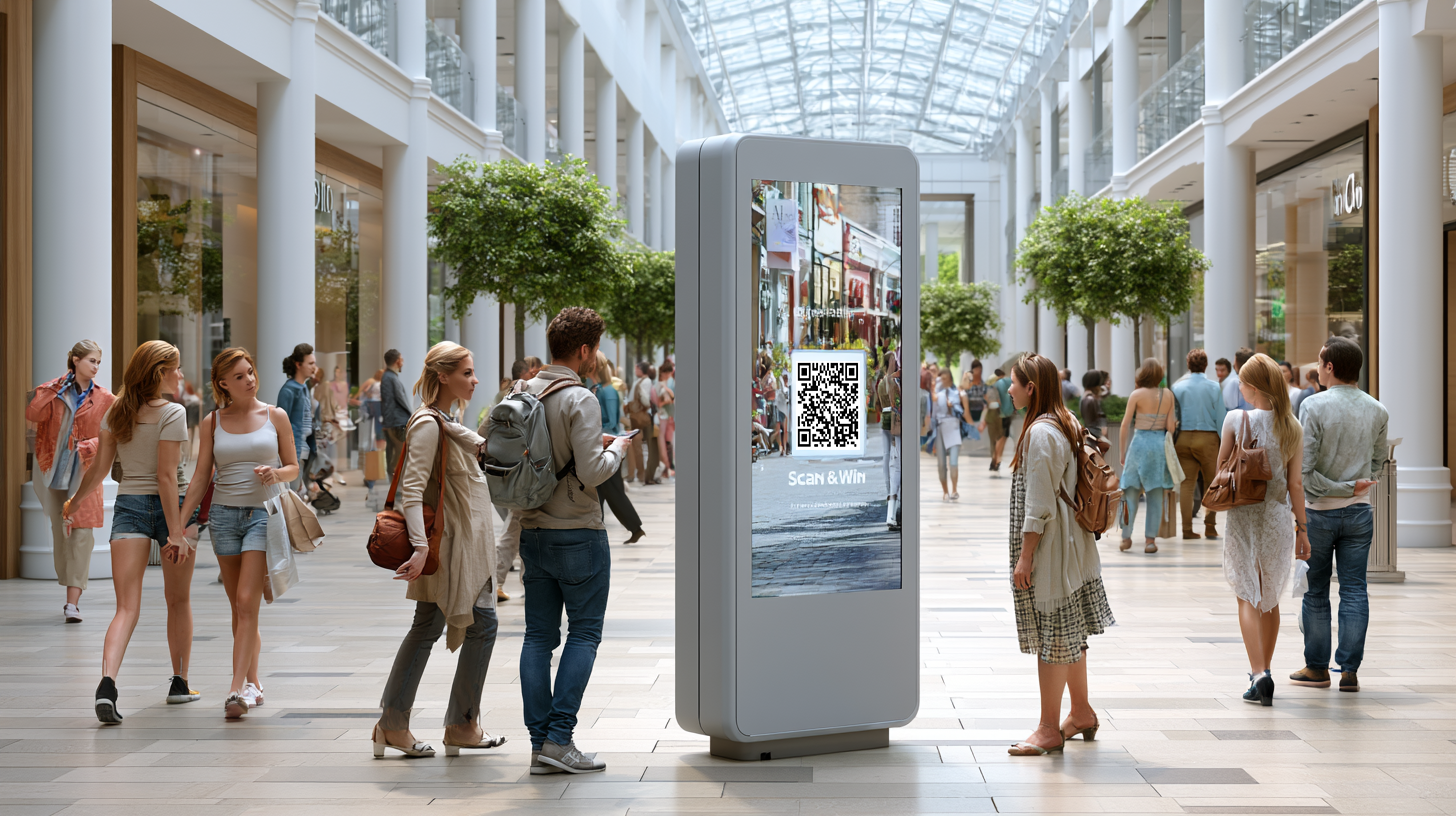
- QR code distribution: The campaign QR code is displayed at multiple touchpoints throughout the property — mall entrance signage, digital kiosks, individual merchant windows, food court displays, and event boards
- Shopper engagement: Visitors scan the QR code anywhere in the district, play the game on their device, and discover which merchant's prize they've won
- Prize redemption: The prize includes instructions for visiting the specific merchant to redeem — driving traffic from anywhere in the mall directly to the participating store
- Data and reporting: The campaign dashboard shows total plays, prizes distributed, and redemption rates — giving the coordinator clear ROI data to share with merchants

Merchant Participation Models
Not all merchants will participate in the same way. Here are three tiers of participation that allow businesses of different sizes and promotional budgets to contribute meaningfully:
Anchor Tier — Premium Prize Donors
Anchor tenants and major merchants contribute high-value prizes — gift cards of $50 or more, significant product bundles, or premium service packages. Their prizes appear in the campaign pool at low frequency (fewer players win these prizes) but with high perceived value. These merchants benefit from the halo of exclusivity — winning their prize feels like a major win — and from the disproportionate traffic generated by customers eager to redeem a premium reward.
Standard Tier — Regular Merchants
The majority of merchants contribute mid-tier prizes — $15–$30 gift cards, percentage-off discounts, complimentary add-ons, or free first items. These prizes appear at higher frequency in the prize pool and generate steady traffic to each participating store. The cost per participating merchant is manageable, and the benefit — a regular stream of game-referred customers — is tangible and trackable.
Awareness Tier — Non-Prize Participants
Some merchants may lack the budget for prize donations but still benefit from the campaign's existence by displaying the shared QR code. Their participation drives traffic to the overall campaign and builds goodwill within the merchant community, even if their specific prizes aren't in the pool. For newer or smaller businesses, this entry point allows participation without financial risk.
Driving Cross-Store Traffic
One of the most powerful effects of a district campaign is the cross-store traffic it generates. A shopper who entered the mall to visit one specific store scans the campaign QR code, plays, and wins a prize from a merchant they hadn't planned to visit. The prize creates an immediate reason to walk to the other end of the mall — or to a store they've never patronized.
This cross-store discovery is worth far more than traditional advertising for the prize-donating merchant. The customer arrives pre-qualified (they've committed to a visit) and pre-motivated (they have a specific prize to redeem). Compare this to a customer who sees a store's advertisement and decides to maybe visit at some point in the future — the conversion rate of a campaign-referred visit is dramatically higher.
To maximize cross-store traffic effects:
- Ensure prizes from anchor stores at opposite ends of the mall are well-represented in the prize pool — this drives full-mall traversal rather than clustering traffic in one area
- Include restaurant and food court prizes alongside retail prizes — hunger is a powerful motivator for extended mall visits
- Train participating merchant staff to greet campaign-referred customers warmly and to upsell or expand the visit beyond the prize redemption
- Design prize redemption to require a minimum spend at the merchant — a prize that delivers a complimentary item with any purchase drives real transaction volume, not just traffic for the free item
Kiosk & Digital Display Integration
Shopping malls and modern retail districts typically have significant existing digital infrastructure — interactive kiosks, directory displays, digital advertising panels, and in some cases full LED video walls. Each of these represents an opportunity to display the district campaign QR code at scale.
For interactive kiosks: the campaign QR code can be displayed as a persistent element on the kiosk home screen, or as a content slide in the kiosk's advertising rotation. Shoppers consulting the kiosk for mall directories or store locations can be exposed to the campaign with zero additional effort.
For digital advertising panels: the campaign can be one content slot in the panel's rotation, updated seasonally without any print production costs. During peak shopping periods — back-to-school, holiday, major sale events — the campaign can take a larger share of the display rotation.
For Video Over IP networks that broadcast content across multiple displays throughout a property, the campaign can be featured simultaneously on every screen in the mall, creating an immersive, property-wide promotional moment. See our dedicated article on Video Over IP for more on enterprise display integration.
Seasonal & Event-Based Campaigns
The campaign calendar for a shopping district should align with the natural retail calendar — the moments when shoppers are already motivated to visit and your goal is to maximize basket size, cross-store visits, and brand affinity:
Back-to-School (July–September)
One of the highest-traffic periods for mall retail. A back-to-school district campaign with prizes from school supply stores, clothing retailers, electronics merchants, and food court tenants creates a compelling reason for families to choose your property over a competitor. Prize tiers can be structured to reward larger purchases — "Scan after a $100 purchase to win an upgrade prize."
Holiday Season (November–December)
The highest-stakes period in retail. A district campaign running from Black Friday through Christmas Eve, with prizes from every participating merchant, creates a shopping game that brings visitors back repeatedly. Configure play frequency to allow one play per day — so frequent holiday shoppers have a reason to scan every visit.
Valentine's Day, Mother's Day & Other Gift Occasions
Gift-occasion shopping is characterized by high intent but often low category familiarity — shoppers know they need a gift but aren't sure where to start. A district campaign that surfaces prizes from gift-appropriate merchants (jewelry, flowers, dining, spa, specialty retail) helps undecided shoppers discover options they hadn't considered.
Summer Slow Season Recovery
For malls in non-resort markets, summer can be a slow period. A summer campaign with prizes specifically designed to be fun and leisure-oriented — entertainment, dining, recreation experiences — positions the mall as a summer destination rather than a default shopping stop.
Data & Results Tracking
One of the most compelling advantages of running a district campaign through Promo on Demand is the data it generates. Where traditional mall promotional programs measure success through foot traffic counts and sales reports, a digital campaign provides granular engagement data:
- Total campaign plays by day, time, and location (if you have multiple QR codes at different mall touchpoints)
- Prize distribution by merchant — which stores' prizes are most eagerly sought and most frequently redeemed
- Player contact information for post-campaign marketing (with opt-in)
- Return player rates — are the same shoppers coming back repeatedly?
- Campaign period vs. baseline visit frequency comparison
This data allows the mall coordinator to demonstrate ROI to individual merchants, to optimize the prize pool for future campaigns based on redemption performance, and to build a direct marketing relationship with campaign participants that persists beyond any individual campaign.
Getting Started
Launching a district campaign requires coordination between the mall operator or BID coordinator and participating merchants — but the process is well-established and manageable. Here's a proven launch sequence:
- Identify a champion — a mall marketing manager or BID director who will own the program and coordinate merchant relationships
- Recruit a founding merchant cohort — aim for 10–15 merchants across different categories for the first campaign
- Define the prize pool — collect prize donations or campaign contributions from each merchant
- Create the campaign in Promo on Demand and configure the prize structure
- Produce and deploy QR code signage at mall-wide touchpoints
- Promote the campaign launch across the mall's owned channels — email list, social media, in-center PA
- Run a 30 to 60-day campaign window, report results to merchants, and use the data to recruit additional participants for the next round
Ready to design a district campaign for your property or business improvement area? Contact our team — we've built collaborative campaign programs for multi-tenant properties across the country and can help you design one that works for your specific merchant mix and shopper base.